Every purchase made online is encrypted with a high level of security you’ve come to expect. Your private information is never shared nor sold, so you can buy with confidence. You can also visit our store if you are in the St. Louis area.

This is a follow-up to our Top Ten Benefits of Latex post from a few weeks ago.
T
Table of Contents
These Are The Main Problems With latex Mattresses
When it comes to choosing a mattress, the options seem endless, each boasting unique features and benefits. Among these, latex mattresses have gained popularity for their purported durability, comfort, and eco-friendliness. However, like any product, they come with their own set of drawbacks that potential buyers should consider. In this blog post, we’ll delve into the main problems associated with latex mattresses, shedding light on crucial factors to weigh before making your purchase decision. Whether you’re a seasoned latex mattress enthusiast or a curious newcomer, understanding these challenges will help you make an informed choice that aligns with your sleep needs and preferences.
Latex Mattresses are Expensive.
If you look at it from an upfront cost this is true however if you consider how much longer latex beds last compared to other mattress types especially mattresses and boxsprings which typically only have 20-30 percent of the life, these quality mattresses will pay for themselves.
Natural Rubber Latex Mattresses Don’t Hold Up.
This statement could not be more false. Latex is a byproduct of the rubber tree. The natural sap is converted into a solid form and is extremely resilient. It may very well be one of the most durable mattresses on the market.
Latex Beds are too Firm.
Just like any other mattress on the market latex beds are offered in various firmness levels. Latex is measured by its ILD. If the number is higher then the mattress will be firmer and if the ILD is lower the rubber mattress will be softer.
Latex Mattresses Smell Bad.
First off every mattress has a smell whether it be a conventional spring mattress, memory foam, waterbeds, or yes even latex. This is similar to a new car or anything else that is brand new. This has been blown out of proportion yes some latex mattresses have a stronger odor than others like any mattress can. We recommend asking for a sample of the latex and take a sniff. Be sure to smell the latex mattress you are testing. Every mattress will need a short period to air out when first removed from its plastic bag.
Latex Mattresses are t Good for a Bad Back.
We do not get this statement at all. Like any good quality mattress, it is designed to support your back properly. It is flexible enough to support your back yet resilient enough to stand the test of time. Before you take the lead in a statement as gospel, know this we would suggest learning the background of the person who made the statement and determining their level of knowledge about mattresses. Many doctors and chiropractors know little more about mattresses than you know about back surgery.
Latex Mattresses are Bad for the Environment.
Considering that the average coil spring mattress lasts only 6-8 years and a real all-natural latex mattress can last 20 years plus. We should see fewer latex mattresses in landfills. Dunlop latex is biodegradable.
Latex Mattresses are Responsible for the Depletion of Our Forest.
The Pará rubber tree (Hevea brasiliensis), or the rubber tree can produce a sap that is harvested like maple syrup. The tree produces up to 25 years or so and is replenished unlike other mattresses claiming to be all-natural and are derived from our depleting natural oil reserves and take less energy to produce just an additional thought in the going green movement.
Latex Rubber Beds are Just Another Fly by Might Mattress Fad.
In 1931 the first latex rubber mattress was built. In 1931Richard Pieris and Co. Ltd., started building the Dunlop process of latex foam in 1952. It simply gave way to the invention of a cheaper-to-produce material called polyurethane foam. Today people have asked for a more durable alternative to cheaper foams and chemical-laden mattresses being produced today.
100% Natural Latex Mattresses Sleep Hot.
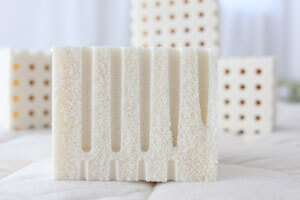
All forms of latex mattresses have a pinhole design that allows air to move around freely creating a cooler sleep environment. Something that can be a much more significant cause of heat is using mattress pads and sheets that have material that does not breathe properly.
Some People are Allergic to Latex so Why Buy a Mattress Made of it?
First, less than 1 % of the public is allergic to latex and this includes all classes of individuals and allergy types. There is considerable literature on reactions between those who have been diagnosed as latex-sensitive. Most of this is related to the medical industry, not the mattress industry.
Finding The Right Mattress For You
While latex mattresses offer many appealing qualities such as durability, comfort, and eco-friendliness, they are not without their drawbacks. From potential allergen concerns to limited motion isolation and higher price points, it’s essential for consumers to carefully weigh these factors against their personal preferences and needs. By being aware of the main problems associated with latex mattresses, individuals can make more informed decisions when selecting the best mattress for their sleep quality and overall well-being. Ultimately, finding the perfect mattress involves considering a variety of factors beyond just material composition, ensuring a restful and rejuvenating night’s sleep for years to come.


Our return policy covers most of our products. If you experience a problem with the shipping or quality of an item you’ve purchased from us, just give us a call and we’d be glad to resolve the issue.

We get your purchase to you as soon as possible. We offer several shipping options to meet everyone’s expectations. If we have your product in stock, it may even ship the same day you order it!